
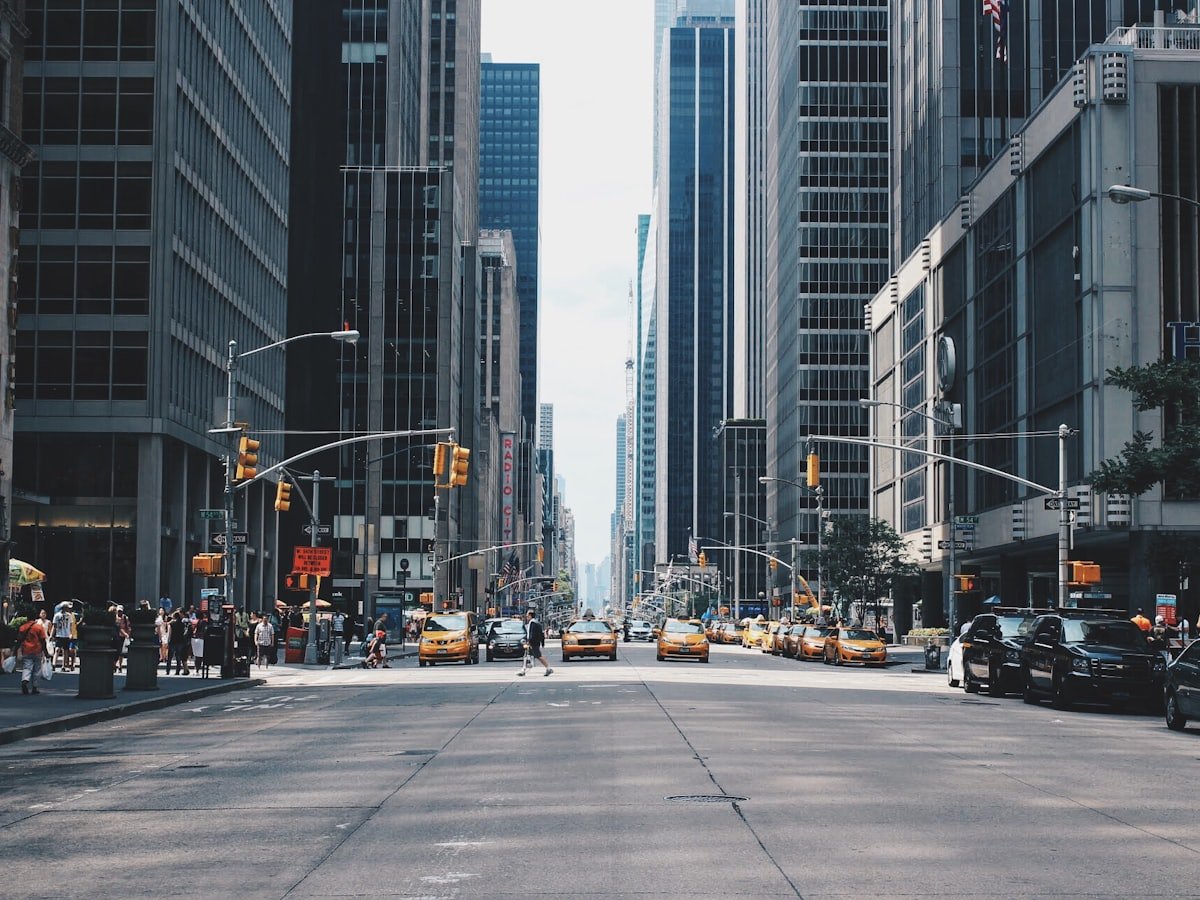
Who is this for? Creators drawn to human stories, social environments, and emotional narrative in photography. Journey time: 2 to 4 weeks.
1. Understand the heart of street photography
This practice begins with its roots: humans, distance, grief, light, and narrative. It is about noticing, not hunting.
2. Learn by seeing (not shooting yet)
Study masters who shape the language of street photography: Cartier-Bresson, Koudelka, Alex Webb, Mary Ellen Mark, Rebecca Norris Webb, Susan Meiselas.
3. Distance exercise
Shoot for 30 minutes from exactly 1 meter. This reduces hesitation and teaches intimacy with the scene.
4. Stillness exercise
Stand in one spot for 20 minutes. Wait for the moment to come instead of chasing it.
5. Shoot through glass
Use reflections, layers, and human texture from windows and storefronts to deepen composition.
6. Shadow day
Dedicate one full day to searching only for strong light and shadow. This trains your eye in contrast and emotional tone.
7. Start building a narrative question
A social documentary project begins with a question, not a topic. Choose the question that follows you, unsettles you, or carries emotional weight.
8. Follow the question (even without an answer)
Carry the question through your day. Photograph as you search for the path toward understanding, even if the answer never comes.
9. Ethics above everything
- Build connection before showing your camera
- Earn trust to capture real moments
- Become invisible, so present and trusted that people stop noticing the lens
Without respect, photography becomes hunting.
10. Keep expanding your knowledge
Websites: Magnum Learn, Aperture, LensCulture Articles. Museums: MoMA, ICP, V&A, Griffin Museum, ICA. Books: Alec Soth, Teju Cole, Bruce Davidson.
You’re ready to begin. Street photography is an act of empathy. Start slow, stay present, and let the world reveal its stories.