
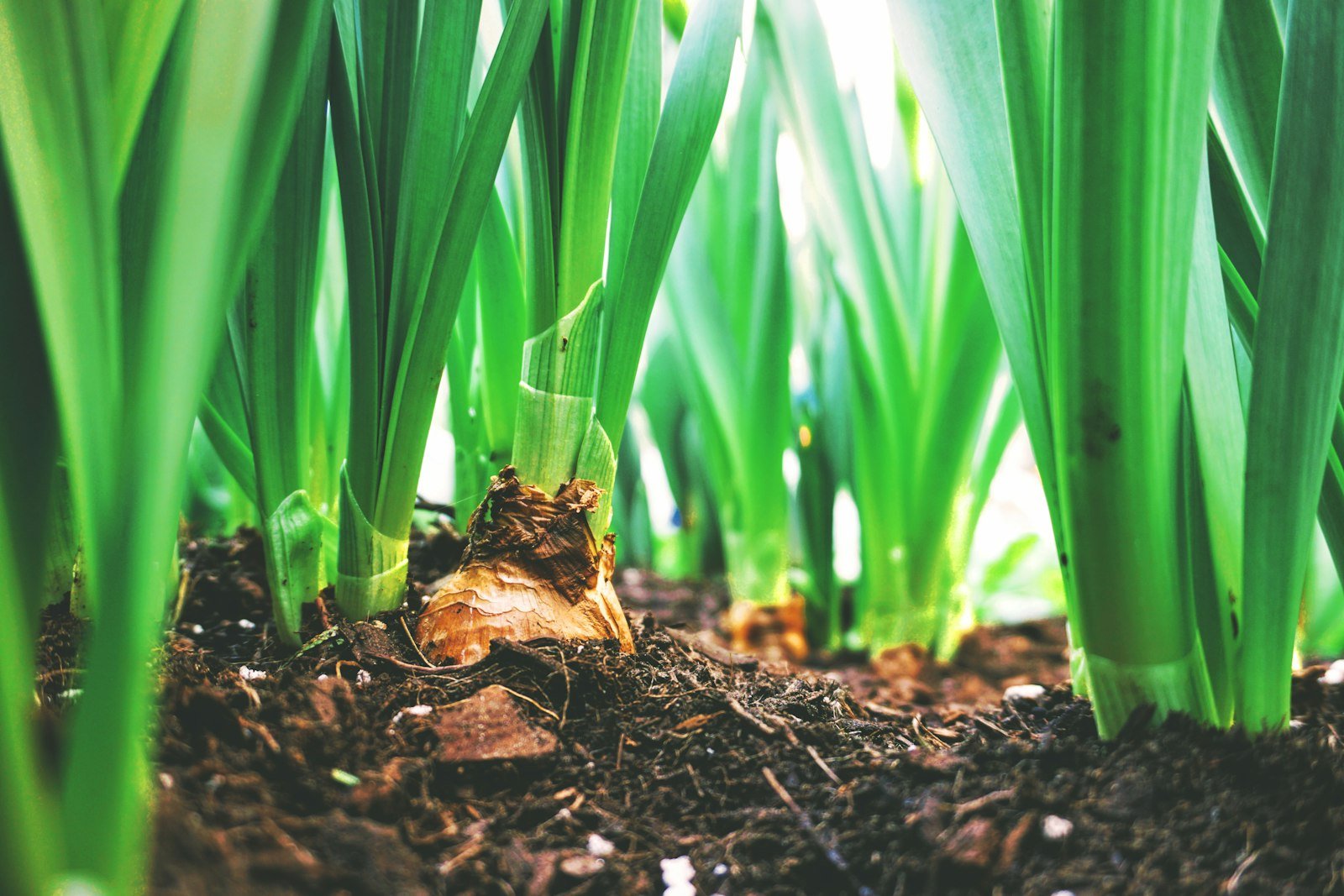
Who is this for? Beginners in the Boston area with a small yard, patio or sunny balcony, planning a first garden. Journey time: one season, starting in October.
1. Map your sun
Note where direct sun falls through the day. Most vegetables need six or more hours. Check again in spring, when the sun sits higher and shadows change.
2. Plant garlic in October
It’s one of the easiest first crops. Separate the cloves, plant them pointy end up about 2 inches deep and 6 inches apart, and mulch with straw once the ground cools. Harvest next July. Buy seed garlic from a garden center or farm, not the supermarket.
3. Test your soil
Soil in older city neighborhoods can contain lead. The UMass Amherst Soil and Plant Nutrient Testing Lab runs affordable mail-in tests. If lead is high, grow food in raised beds or containers with fresh soil.
4. Choose four or five easy crops
Lettuce, radishes, bush beans, cherry tomatoes and basil. Not twenty. Early success is what brings you back next year.
5. Growing in containers?
Use pots of 5 gallons or more for tomatoes, with drainage holes. Fill them with potting mix, not garden soil. Containers dry out fast, so check them daily in summer.
6. Start seeds indoors in late winter
Look up your average last frost date by ZIP code. Start tomatoes 6 to 8 weeks before it. Move them outside once nights stay above 50°F, usually late May near Boston. Lettuce and radishes can be sown outdoors in April.
7. Water deeply, not often
Water in the morning, at the soil, not the leaves. Before watering, push a finger 2 inches into the soil. If it’s still damp, wait. Yellowing leaves are often a sign of too much water, not too little.
8. Keep a simple notebook
Write down what you planted, when, and what happened. Next season starts from your own notes instead of guesswork.
You’re ready to begin. A bed of garlic this October means you’ll already be a gardener when spring arrives.
Was this guide useful?
A rating takes one tap and helps the next beginner find their way here.